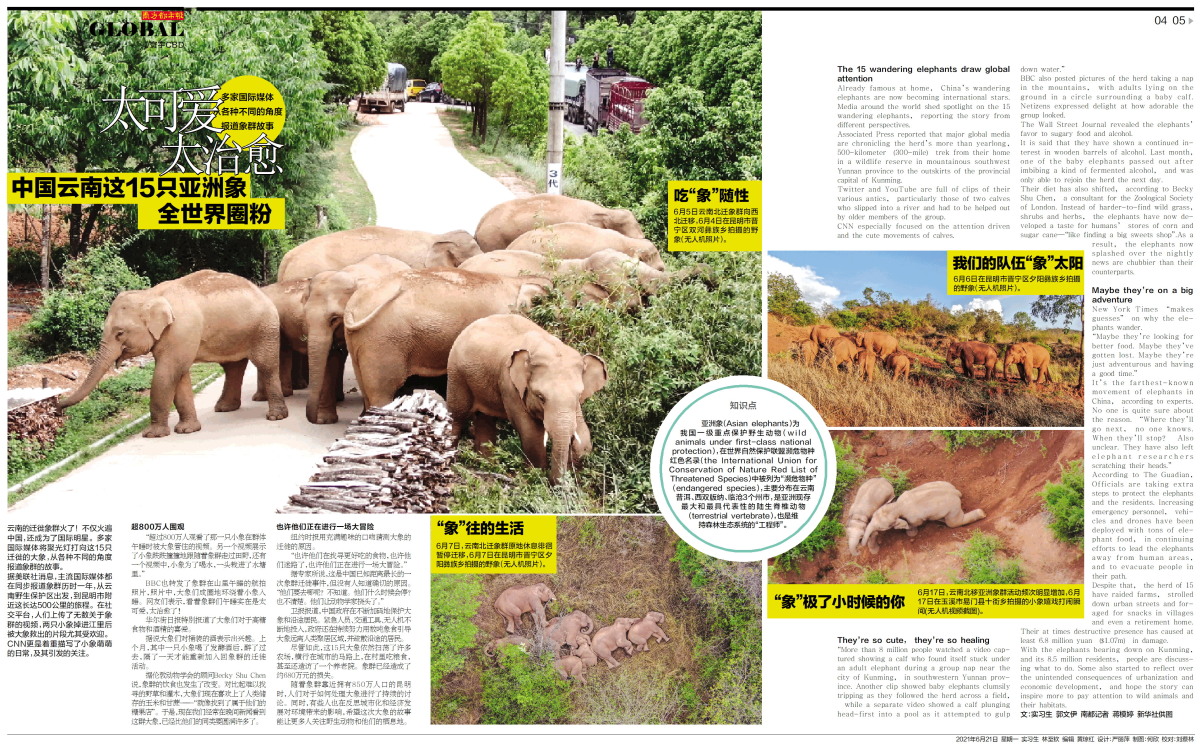
“象”极了小时候的你 6月17日,云南北移亚洲象群活动频次明显增加,6月17日在玉溪市易门县十街乡拍摄的小象嬉戏打闹瞬间(无人机视频截图)。
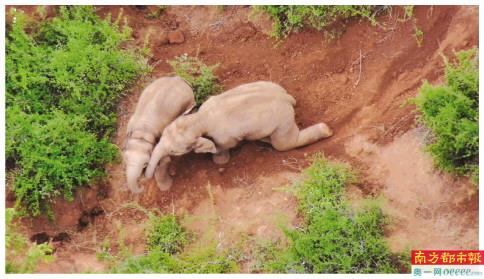
“象”往的生活 6月7日,云南北迁象群原地休息徘徊暂停迁移,6月7日在昆明市晋宁区夕阳彝族乡拍摄的野象(无人机照片)。
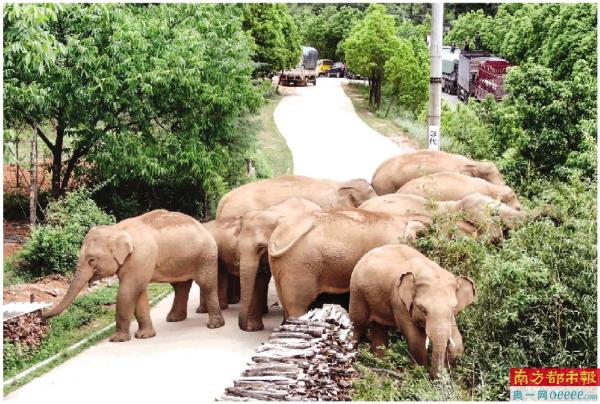
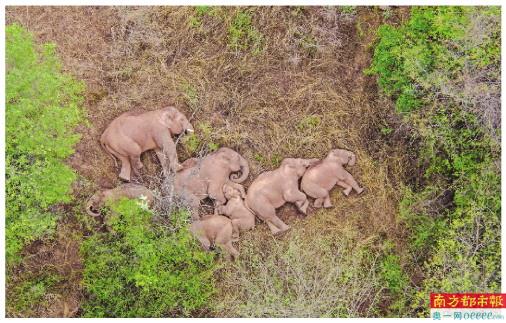
吃“象”随性 6月5日云南北迁象群向西北迁移,6月4日在昆明市晋宁区双河彝族乡拍摄的野象(无人机照片)。
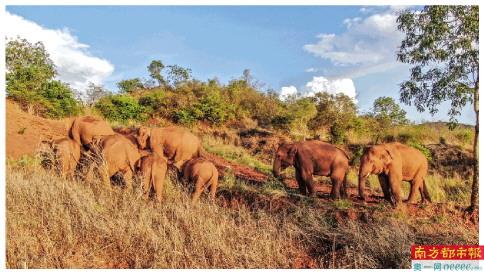
我们的队伍“象”太阳 6月6日在昆明市晋宁区夕阳彝族乡拍摄的野象(无人机照片)。
云南的迁徙象群火了!不仅火遍中国,还成为了国际明星。多家国际媒体将聚光灯打向这15只迁徙的大象,从各种不同的角度报道象群的故事。
据美联社消息,主流国际媒体都在同步报道象群历时一年,从云南野生保护区出发,到昆明市附近这长达500公里的旅程。在社交平台,人们上传了无数关于象群的视频,两只小象掉进江里后被大象救出的片段尤其受欢迎。
CNN更是着重描写了小象萌萌的日常,及其引发的关注。
超800万人围观
“超过800万人观看了那一只小象在群体午睡时被大象管住的视频。另一个视频展示了小象跌跌撞撞地跟随着象群走过田野,还有一个视频中,小象为了喝水,一头栽进了水塘里。”
BBC也转发了象群在山里午睡的航拍照片,照片中,大象们成圈地环绕着小象入睡。网友们表示,看着象群们午睡实在是太可爱,太治愈了!
华尔街日报特别报道了大象们对于高糖食物和酒精的喜爱。
据说大象们对桶装的酒表示出兴趣。上个月,其中一只小象喝了发酵酒后,醉了过去,隔了一天才能重新加入回象群的迁徙活动。
据伦敦动物学会的顾问Becky Shu Chen说,象群的饮食也发生了改变。对比起难以找寻的野草和灌木,大象们现在喜欢上了人类储存的玉米和甘蔗——“就像找到了属于他们的糖果店”。于是,现在我们经常在晚间新闻看到这群大象,已经比他们的同类要圆润许多了。
也许他们正在进行一场大冒险
纽约时报用充满趣味的口吻猜测大象的迁徙的原因。
“也许他们在找寻更好吃的食物,也许他们迷路了,也许他们正在进行一场大冒险。”
据专家所说,这是中国已知距离最长的一次象群迁徙事件,但没有人知道确切的原因。“他们要去哪呢?不知道。他们什么时候会停?也不清楚。他们让动物学家挠头了。”
卫报报道,中国政府在不断加码地保护大象和沿途居民。紧急人员、交通工具、无人机不断地投入,政府还在持续努力用数吨象食引导大象远离人类聚居区域,并疏散沿途的居民。
尽管如此,这15只大象依然扫荡了许多农场,横行在城市的马路上,在村里吃粮食,甚至还造访了一个养老院。象群已经造成了约680万元的损失。
随着象群靠近拥有850万人口的昆明时,人们对于如何处理大象进行了持续的讨论。同时,有些人也在反思城市化和经济发展对环境带来的影响,希望这次大象的故事能让更多人关注野生动物和他们的栖息地。
知识点
亚洲象(Asian elephants)为我国一级重点保护野生动物(wild animals under first-class national protection),在世界自然保护联盟濒危物种红色名录(the International Union for Conservation of Nature Red List of Threatened Species)中被列为“濒危物种”(endangered species),主要分布在云南普洱、西双版纳、临沧3个州市,是亚洲现存最大和最具代表性的陆生脊椎动物(terrestrial vertebrate),也是维持森林生态系统的“工程师”。
The 15 wandering elephants draw global attention
Already famous at home, China’s wandering elephants are now becoming international stars. Media around the world shed spotlight on the 15 wandering elephants, reporting the story from different perspectives.
Associated Press reported that major global media are chronicling the herd’s more than yearlong, 500-kilometer (300-mile) trek from their home in a wildlife reserve in mountainous southwest Yunnan province to the outskirts of the provincial capital of Kunming.
Twitter and YouTube are full of clips of their various antics, particularly those of two calves who slipped into a river and had to be helped out by older members of the group.
CNN especially focused on the attention driven and the cute movements of calves.
They’re so cute, they’re so healing
“More than 8 million people watched a video captured showing a calf who found itself stuck under an adult elephant during a group nap near the city of Kunming, in southwestern Yunnan province. Another clip showed baby elephants clumsily tripping as they followed the herd across a field, while a separate video showed a calf plunging head-first into a pool as it attempted to gulp down water.”
BBC also posted pictures of the herd taking a nap in the mountains, with adults lying on the ground in a circle surrounding a baby calf. Netizens expressed delight at how adorable the group looked.
The Wall Street Journal revealed the elephants’ favor to sugary food and alcohol.
It is said that they have shown a continued interest in wooden barrels of alcohol. Last month, one of the baby elephants passed out after imbibing a kind of fermented alcohol, and was only able to rejoin the herd the next day.
Their diet has also shifted, according to Becky Shu Chen, a consultant for the Zoological Society of London. Instead of harder-to-find wild grass, shrubs and herbs, the elephants have now developed a taste for humans’ stores of corn and sugar cane—“like finding a big sweets shop”.As a result, the elephants now splashed over the nightly news are chubbier than their counterparts.
Maybe they’re on a big adventure
New York Times “makes guesses” on why the elephants wander.
“Maybe they’re looking for better food. Maybe they’ve gotten lost. Maybe they’re just adventurous and having a good time.”
It’s the farthest-known movement of elephants in China, according to experts. No one is quite sure about the reason. “Where they’ll go next, no one knows. When they’ll stop? Also unclear. They have also left elephant researchers scratching their heads.”
According to The Guadian, Officials are taking extra steps to protect the elephants and the residents. Increasing emergency personnel, vehicles and drones have been deployed with tons of elephant food, in continuing efforts to lead the elephants away from human areas, and to evacuate people in their path.
Despite that, the herd of 15 have raided farms, strolled down urban streets and foraged for snacks in villages and even a retirement home. Their at times destructive presence has caused at least 6.8 million yuan ($1.07m) in damage.
With the elephants bearing down on Kunming, and its 8.5 million residents, people are discussing what to do. Some also started to reflect over the unintended consequences of urbanization and economic development, and hope the story can inspire more to pay attention to wild animals and their habitats.
文:实习生 郭文伊 南都记者 蒋模婷 新华社供图